Water Softeners
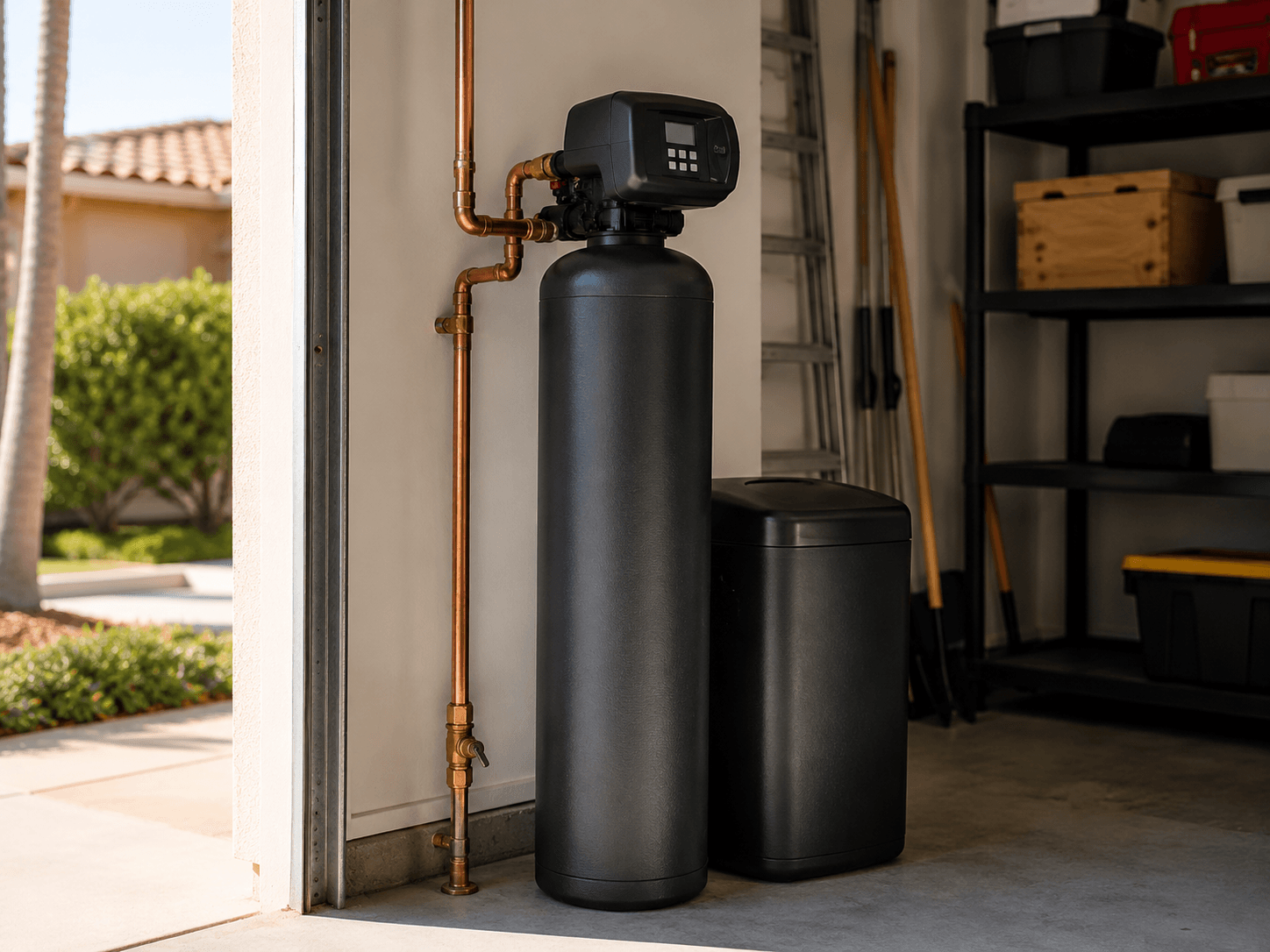
The Inland Empire has notoriously hard water. A whole-home softener protects your plumbing, appliances, and laundry - your skin and hair feel the difference.
What's included
- Whole-home hard-water treatment
- Protects water heaters, faucets & appliances
- Softer skin, hair, and laundry
- Salt-based & salt-free options
- Professional install & haul-away of old units
- Up-front, honest pricing
Need this today?
We're available 24/7 across the Inland Empire with up-front pricing and licensed, insured technicians.
(909) 751-2323Contact usWater Softeners FAQs
What is a water softener?+
A water softener is a whole-home system that removes the calcium and magnesium that make water hard. Most use ion exchange, swapping those minerals for sodium or potassium as water passes through a resin tank. The result is less scale on fixtures, in your water heater, and on dishes. Inland Empire water is often hard to very hard, so softeners are one of the most common upgrades we install.
How do I know if my home needs a water softener?+
You likely need a softener if you see white crust on faucets, spots on dishes, soap that won't lather, or a tank water heater that pops or rumbles. For a firm answer, find the hardness number in your water provider's annual water quality report. Above about 7 grains per gallon is considered hard, and many Inland Empire reports show 12 or more. Our hard water guide shows how to look it up.
Can I install a salt water softener in Fontana, Ontario, or Rancho Cucamonga?+
No - not a new self-regenerating salt softener. The Inland Empire Utilities Agency prohibits new or replacement self-regenerating softeners in Chino, Chino Hills, Fontana, Montclair, Ontario, Rancho Cucamonga, and Upland. Existing units can stay, and exchange-tank softener service is an accepted alternative. Other cities may have their own rules, so ask us what's allowed at your address before you buy a system.
Is a salt-free water conditioner as good as a water softener?+
No, a salt-free conditioner does not actually soften water. It changes how minerals behave so they are less likely to stick as scale, but the calcium and magnesium stay in the water, so you may still see spots on glass. Salt-free systems need no salt or drain line, which suits some homes. We install both and can explain which one fits your water and your city's rules.
Does softened water taste salty?+
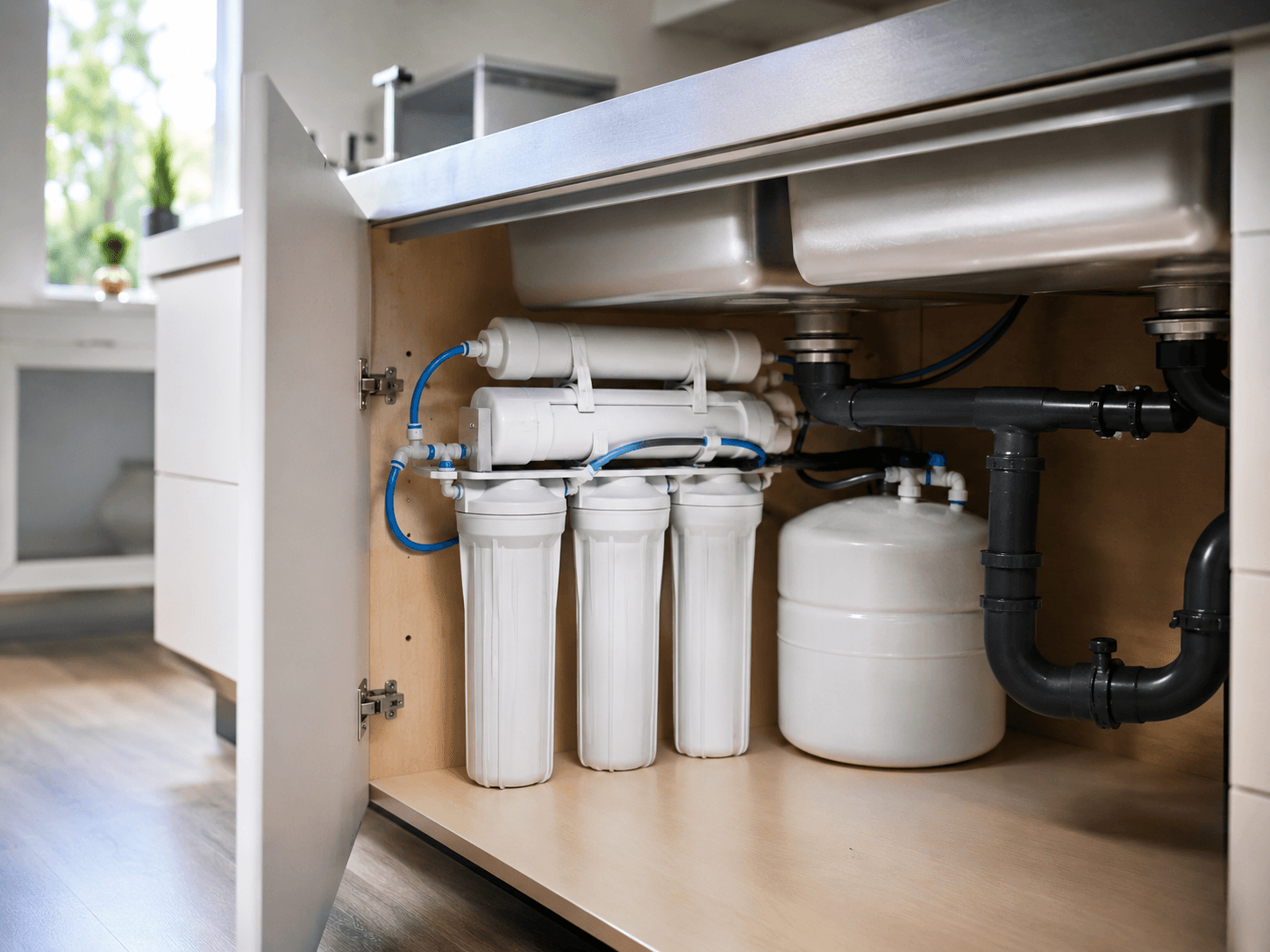
Softened water contains some added sodium, but most people don't notice a salty taste. The amount added depends on how hard your water was to begin with. If someone in your home is watching their sodium, the softener can use potassium chloride instead of salt, or you can drink water from a reverse osmosis system at the kitchen sink.
Helpful guides
Your First Call Clears It All.
Talk to a real person now and get a licensed plumber or restoration crew dispatched across the Inland Empire - day or night.