Quick answer
Before the plumber arrives, shut off the water at the main valve, keep away from water near outlets and turn off power to wet areas if you can do it safely, turn off your water heater, and take photos. Then open a low cold water faucet to drain the lines and move belongings to a dry room.
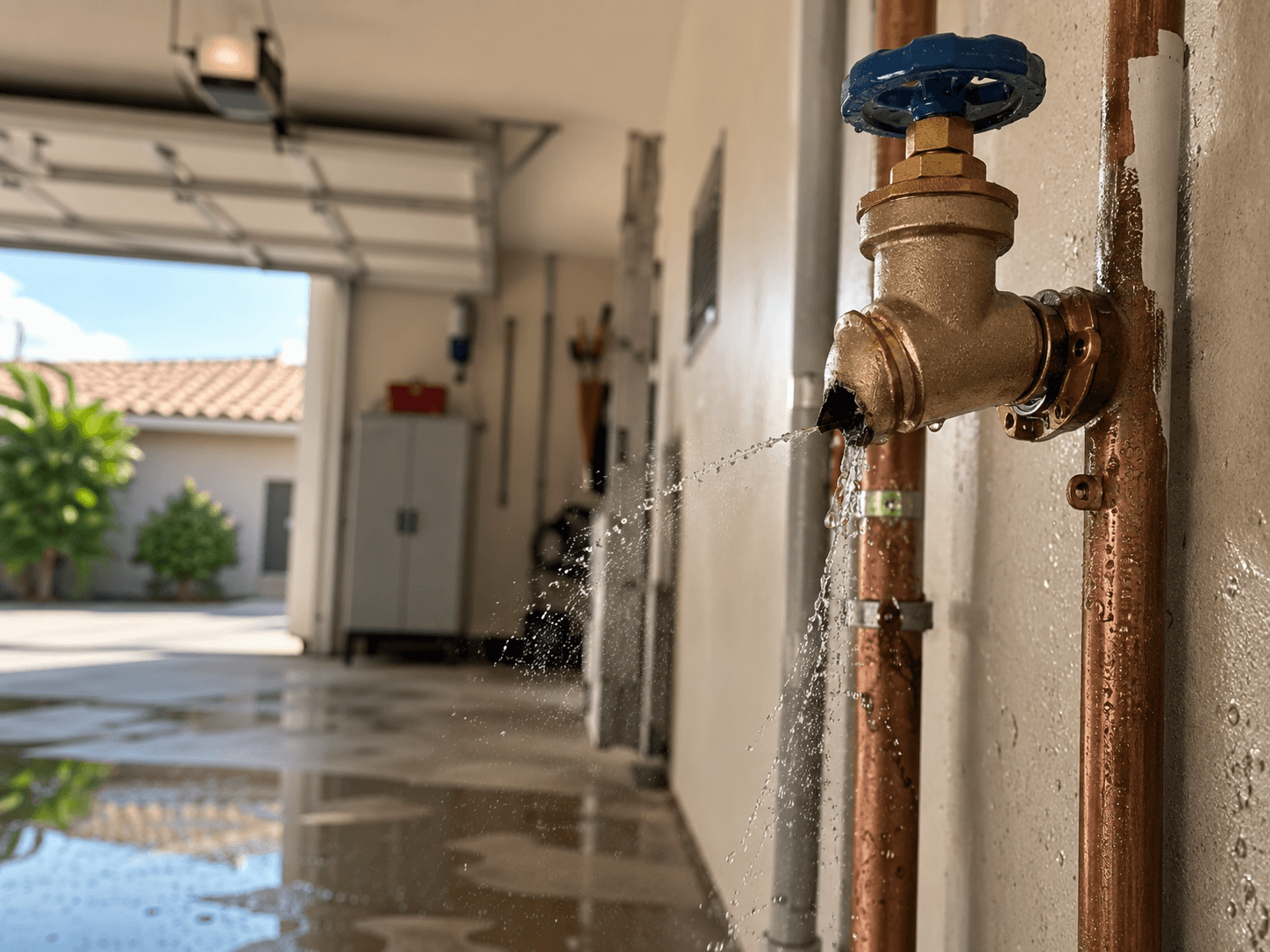
Water spraying from a wall, pouring through a ceiling, or spreading across the kitchen floor is scary. A burst pipe or broken supply line can put out a lot of water very quickly, and every minute counts. The steps below will help you stop the water, keep everyone safe, and protect your home until a plumber gets there.
Step 1: Shut off the water
Stopping the water is the single most important thing you can do. If the leak is at one fixture - a toilet, faucet, dishwasher, or washing machine - try the small shutoff valve under or behind it first. Turn it clockwise until it stops.
If the water is coming from a pipe in a wall, ceiling, or floor, or the fixture valve will not close, shut off the main water shutoff for the whole house.
- Where to look: in many Southern California homes, the main shutoff is outside on the front or side of the house where the water line comes up from the ground, often near a hose bib. Some homes have it in the garage.
- Gate valve (round wheel): turn clockwise until it stops. Older gate valves can stick or break, so use steady pressure, not force.
- Ball valve (lever handle): turn the lever a quarter turn so it sits across the pipe.
- Water meter: there is also a valve at the meter box near the street, but it often needs a meter key, and some water districts prefer you call them to operate it.
Do not wait for an emergency to find your shutoff. Once things are calm, make sure everyone in the house knows where it is and how to use it.
Step 2: Make the area safe
Water and electricity do not mix. If water is near outlets, power strips, light fixtures, or appliances, turn off the breakers for those areas at your electrical panel. Never stand in water to reach the panel. If you cannot get to it safely, stay out of the wet area and call your electric utility or an electrician.
- Stay out from under ceilings that are sagging or bulging with water.
- Unplug small electronics only if you can reach them from a dry spot.
- Keep kids and pets away from the wet area.
- If water came from a toilet or sewer line, avoid touching it without gloves and boots.
Step 3: Protect your water heater
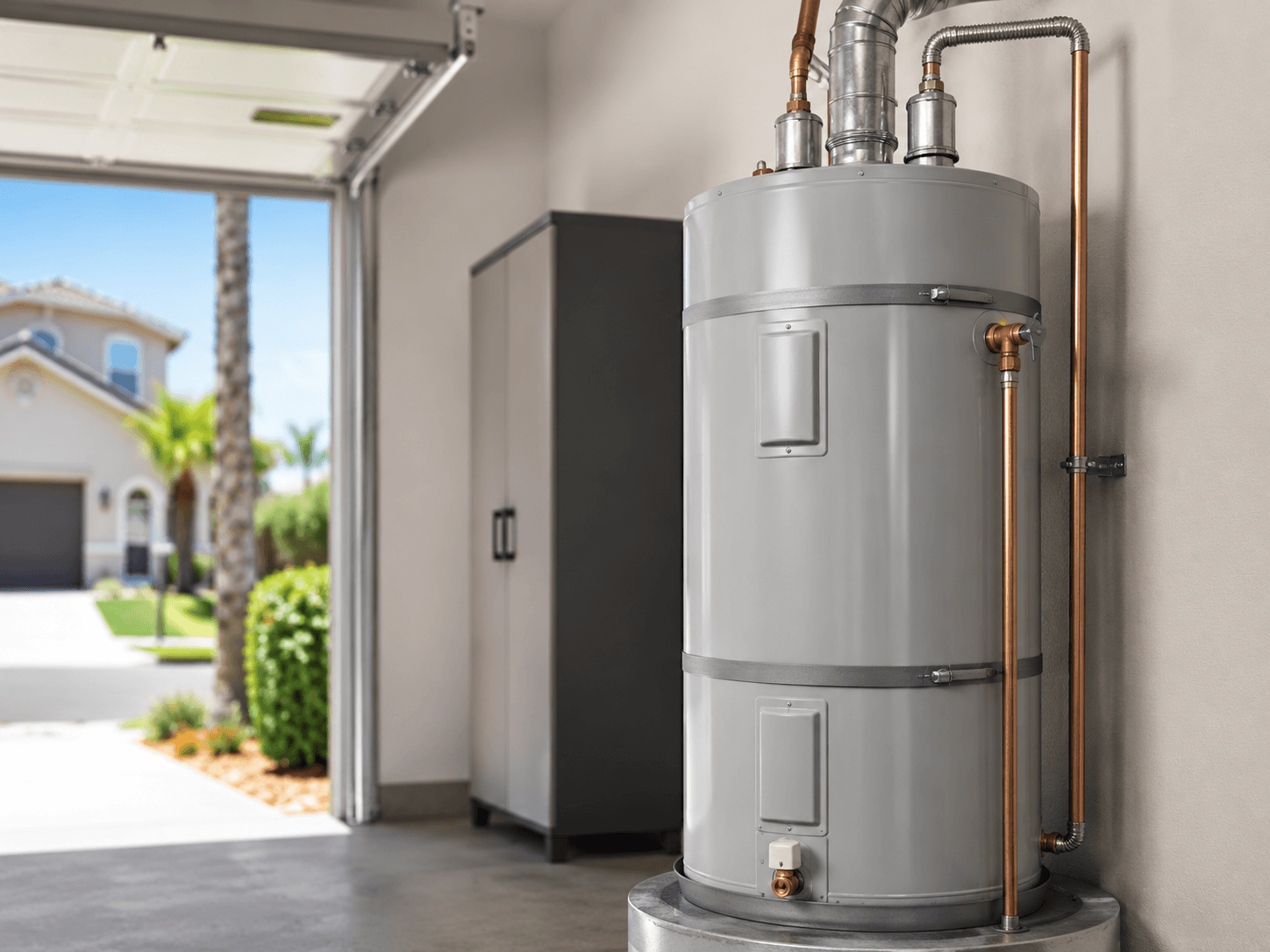
Once the main water is off, your water heater is no longer getting a fresh supply. If you will be draining lines, or if the leak is on the hot side or at the water heater itself, turn the heater off:
- Gas tank heater: turn the gas control knob to Pilot or Off.
- Electric tank heater: switch off its breaker at the panel. An electric heater that runs with an empty or partly empty tank can burn out its heating elements.
- Tankless heater: turn it off at its power switch or breaker and follow the maker's instructions.
If the water heater is what is leaking, also close the cold water valve on the pipe going into the top of the tank. If the tank is old and leaking from the bottom, it is usually time for a replacement.
Step 4: Drain the lines
Even with the main off, water stays in your pipes and can keep dripping out of the break. To reduce that, open a cold water faucet at the lowest point of the house, such as an outside hose bib or a tub faucet.
Step 5: Take photos and video
Before you start moving things, take quick photos and a short video. Get the broken pipe or fitting, the wet floors and walls, any ceiling damage, and damaged belongings. Keep the failed part if a plumber removes it. These records help if you file an insurance claim. Our guide on homeowners insurance and water damage in California explains why this matters.
Step 6: Start limiting the damage
- Mop up or wet-vac standing clean water if it is safe.
- Move rugs, furniture, electronics, and boxes to a dry room.
- Put a bucket under ceiling drips. If a ceiling is bulging, keep clear and let a professional deal with it.
- Open cabinets and closet doors so air can move.
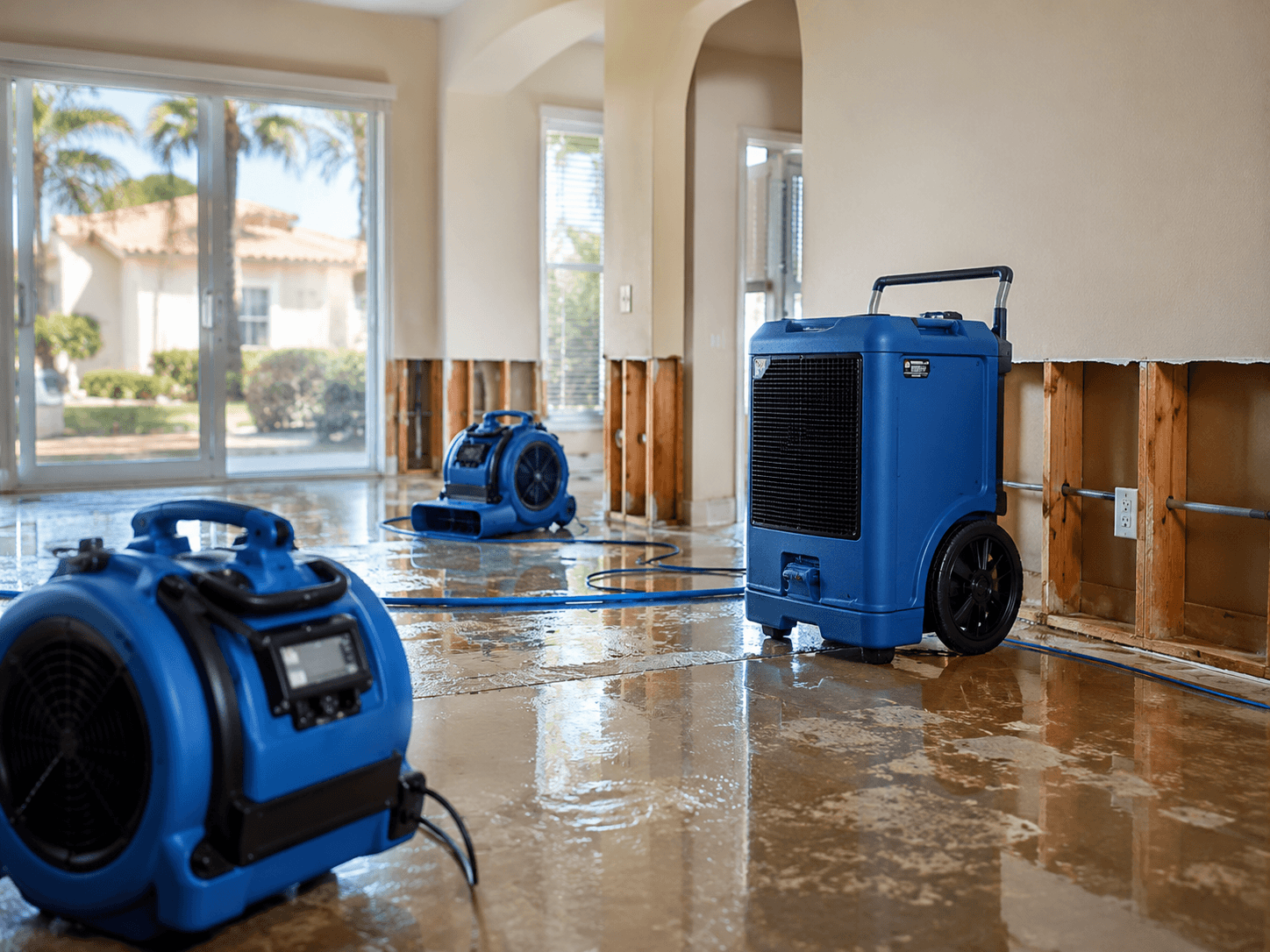
Mopping up the water you can see is not the same as drying the house. Water soaks into drywall, baseboards, and the concrete slab under your floors. That hidden moisture is what leads to swelling, odors, and mold. For the full plan, read what to do in the first 24 hours after water damage.
Is it an emergency?
Not every leak needs a middle-of-the-night call, but many do. Here is a simple way to decide:
| Call an emergency plumber now | Can usually wait for a regular appointment |
|---|---|
| A pipe has burst or water is spraying | A slow drip from a faucet |
| You cannot stop the water at a fixture valve | A leak you stopped with the fixture valve, with no other damage |
| Water is coming through a ceiling or wall | A running toilet |
| Water is near electrical outlets or the panel | Low water pressure at one fixture |
| Sewage is backing up into the house | A dripping outdoor hose bib |
| You shut off the main and the whole house is without water | A small leak under a sink that a bucket can catch |
Our emergency plumbing team is on call 24/7. Arrival is typically 1-2 hours, depending on your location and call volume.
Why pipes burst in Inland Empire homes
Hard freezes are uncommon in the inland valleys, though cold snaps do happen. More often, leaks here come from:
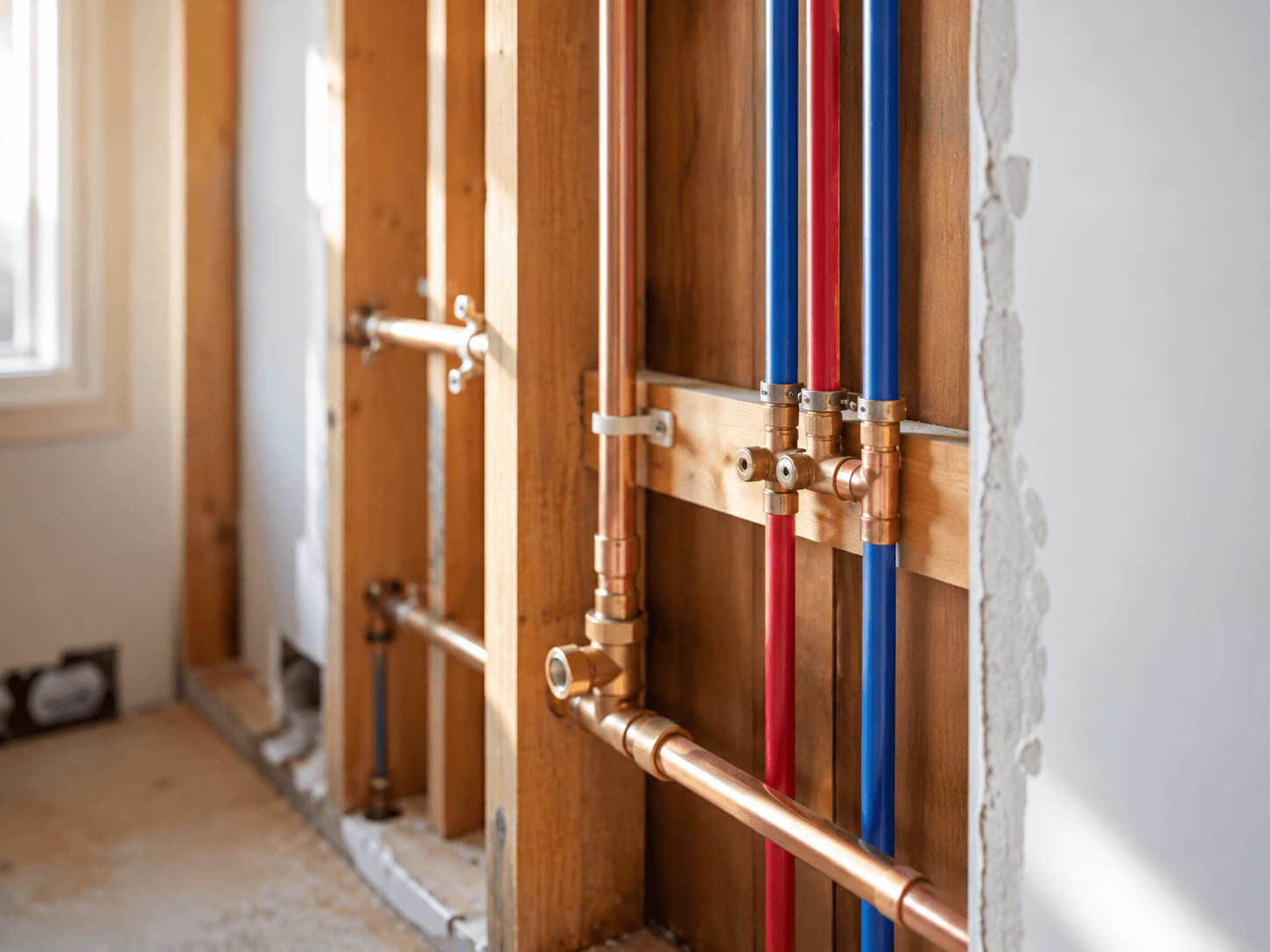
- Aging galvanized pipe. Many older homes still have galvanized steel water lines that corrode from the inside over time. When one section fails, others are often close behind, and repiping can be the lasting fix.
- High water pressure. The California Plumbing Code calls for a pressure regulator when static pressure is above 80 psi. A failed or missing regulator puts extra strain on pipes, fittings, and supply lines.
- Worn supply lines and connectors. Flexible lines to toilets, faucets, and washing machines wear out and can burst without warning.
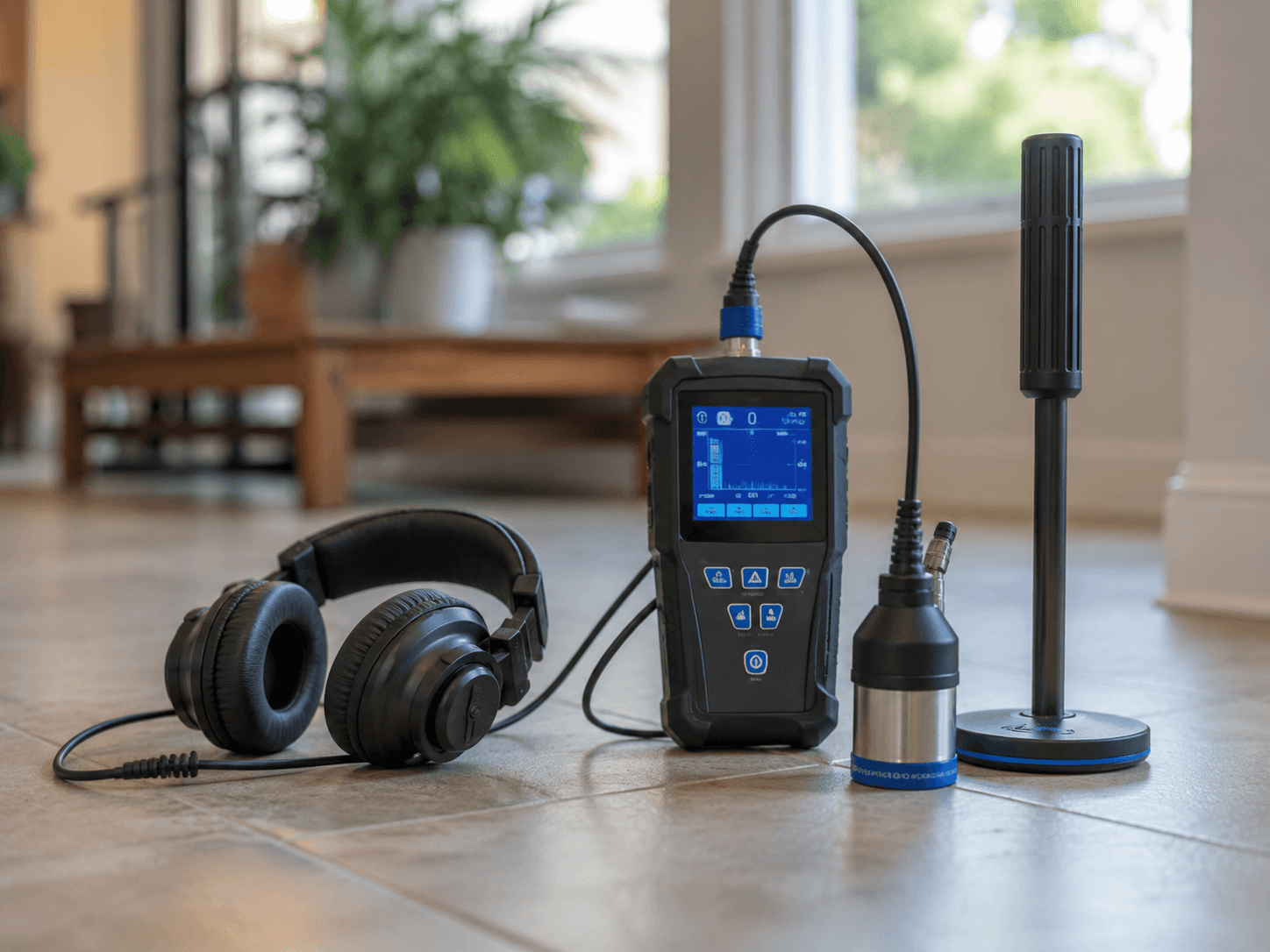
- Slab leaks. Many homes here are built on concrete slabs with water lines below them. A leak under the slab may show up as a warm spot, a wet floor, or a higher water bill.
What happens after the plumber arrives
The plumber will find the break, make the repair, and turn the water back on to check for other leaks. If there is a lot of water in walls or floors, the next step is professional drying. Because First Call Plumbing & Restoration handles both plumbing and water damage restoration, one team can fix the pipe and start drying, with IICRC-certified techs, moisture meters, and photo documentation for your records.
Pipe burst or water where it should not be? We are open 24/7 across Riverside and San Bernardino counties. Call (909) 751-2323 now or contact us and we will get water stopped and your home drying.
Frequently asked questions
Where is the main water shutoff on a Southern California house?+
It is often outside on the front or side of the house where the water line comes up from the ground, sometimes near a hose bib, or inside the garage. There is also a valve at the water meter near the street, but it may need a special key. If you cannot find yours, ask a plumber to show you on your next visit.
Should I turn off my water heater if I shut off the main water?+
If you will be draining the lines or the leak involves the hot water side or the heater itself, yes. Set a gas heater to Pilot or Off, or switch off the breaker for an electric heater. An electric heater running without enough water can burn out its elements.
How fast can a plumber get to me for a burst pipe?+
Our emergency arrival is typically 1-2 hours, depending on your location and how many calls we have. We are open 24/7, including nights, weekends, and holidays. Shut off your main water while you wait.
Does homeowners insurance cover a burst pipe?+
Many policies cover sudden water damage from a burst pipe, but often not the cost of fixing the pipe itself. Damage from slow leaks over time is usually excluded. Check your own policy and talk to your insurer.
This guide is general information, not a quote or professional advice for your specific home or insurance policy. Prices are approximate - we give an up-front quote before any work begins.