Quick answer
If sewage backs up into your house, stop using all water and drains, keep people and pets away, and turn off power to wet areas if you can do it safely. Do not run the HVAC if sewage reached vents or ducts. Sewage is Category 3 water, so carpet, pad, and soaked drywall usually must be thrown out.
Dirty water bubbling up from a shower drain, a toilet that overflows every time the washer drains, a smell you cannot ignore - a sewage backup is upsetting and it is a real health risk. The steps you take in the first hour help protect your family and limit how much of your home has to be torn out.
Step 1: Stop using water
Every sink, tub, toilet, and appliance in your home drains into the same sewer line. When that line is blocked, any water you send down a drain has nowhere to go but back up at the lowest fixture - often a shower or a ground-floor toilet. Tell everyone in the house to stop flushing and running water until a plumber clears the line.
Step 2: Stay safe
Raw sewage contains bacteria, viruses, and other germs. State health departments note that the most common illnesses from sewage exposure are stomach and intestinal illness and skin infections or rashes. The risk rises the longer sewage stays in contact with your home.
- Never touch sewage with bare hands. Wear rubber gloves, boots, and eye protection.
- Protect cuts and scrapes. Wash and disinfect any wound that touches sewage right away.
- Watch the electricity. Turn off power at the breaker if water is near outlets or cords - but never stand in water to reach the panel.
- Keep kids and pets out of the affected rooms.
- Never mix bleach and ammonia. Together they make a toxic gas.
- Call your doctor if anyone gets nausea, vomiting, or diarrhea after contact with sewage.
Step 3: Hold off on the heating and air
If sewage reached floor vents, return grilles, or ductwork, do not run your furnace or central AC. Public health guidance says whole-house air systems should only be used if wastewater did not get into the ducts. Running a contaminated system can spread odor and contamination through the whole house. Leave it off until it has been checked and cleaned.
Step 4: Figure out if it is your line or the city's
Your home connects to the public sewer main in the street through a pipe called the lateral. A few quick clues can point to where the problem is:
- One drain is backing up: likely a clog in that fixture's drain line.
- Several fixtures back up at once, or a toilet gurgles when the washer drains: likely a blockage in your main line or lateral.
- Neighbors are having the same problem: the city or sewer district main may be blocked. Call your city's sewer department right away.
Who pays to fix the line depends on where the problem is and on your city's rules, so check with your city.
| Where the problem is | Who is usually responsible |
|---|---|
| Drain pipes inside your home | The homeowner |
| The lateral on your property | The homeowner |
| The lateral under the sidewalk or street | Varies by city - many California cities make the owner responsible all the way to the main, while others (like Riverside, where a property-line cleanout exists) own the part past the property line |
| The public sewer main | The city or sewer district |
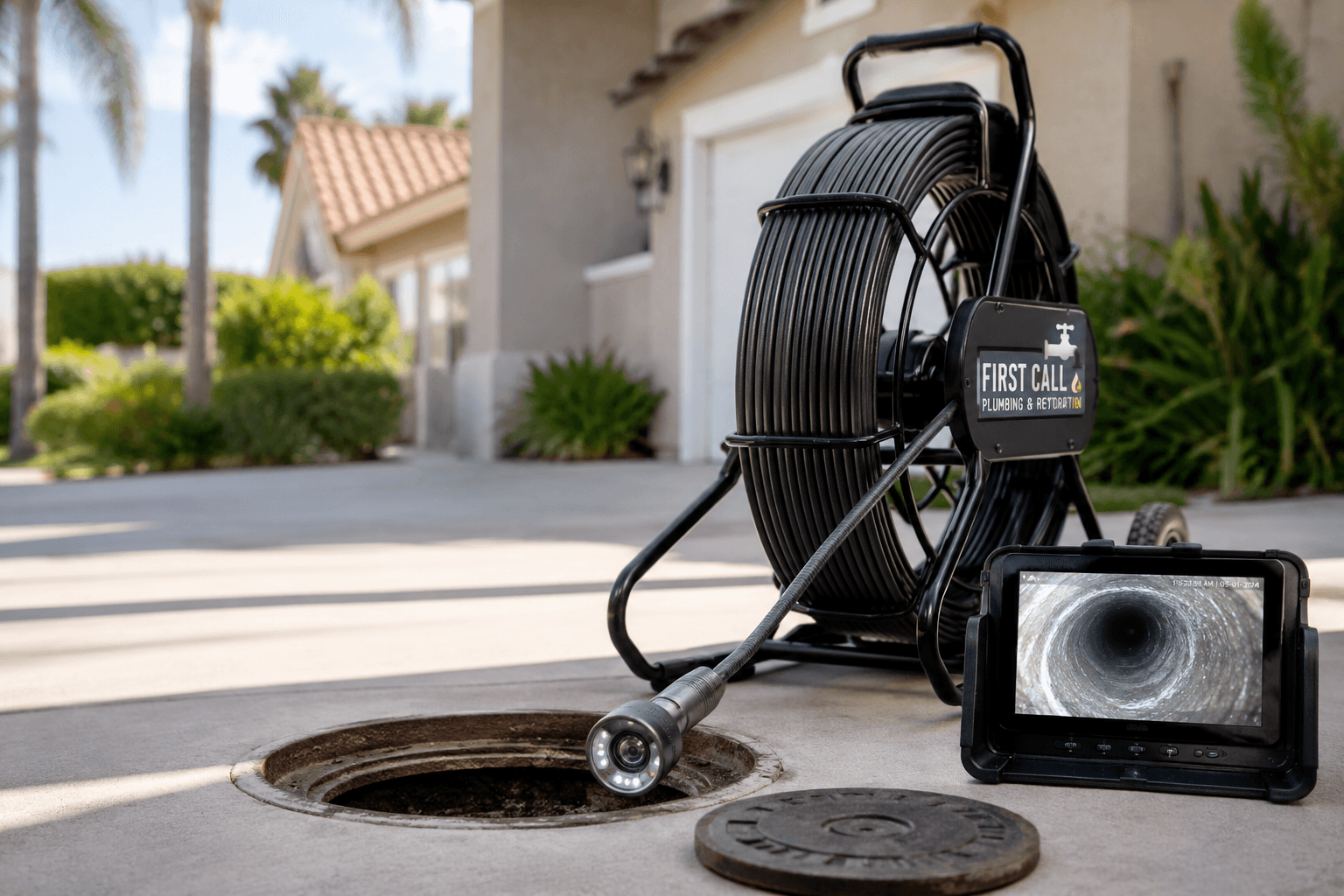
A sewer camera inspection shows exactly where the blockage or break is, which helps settle questions about who is responsible.
Why sewage is Category 3 water
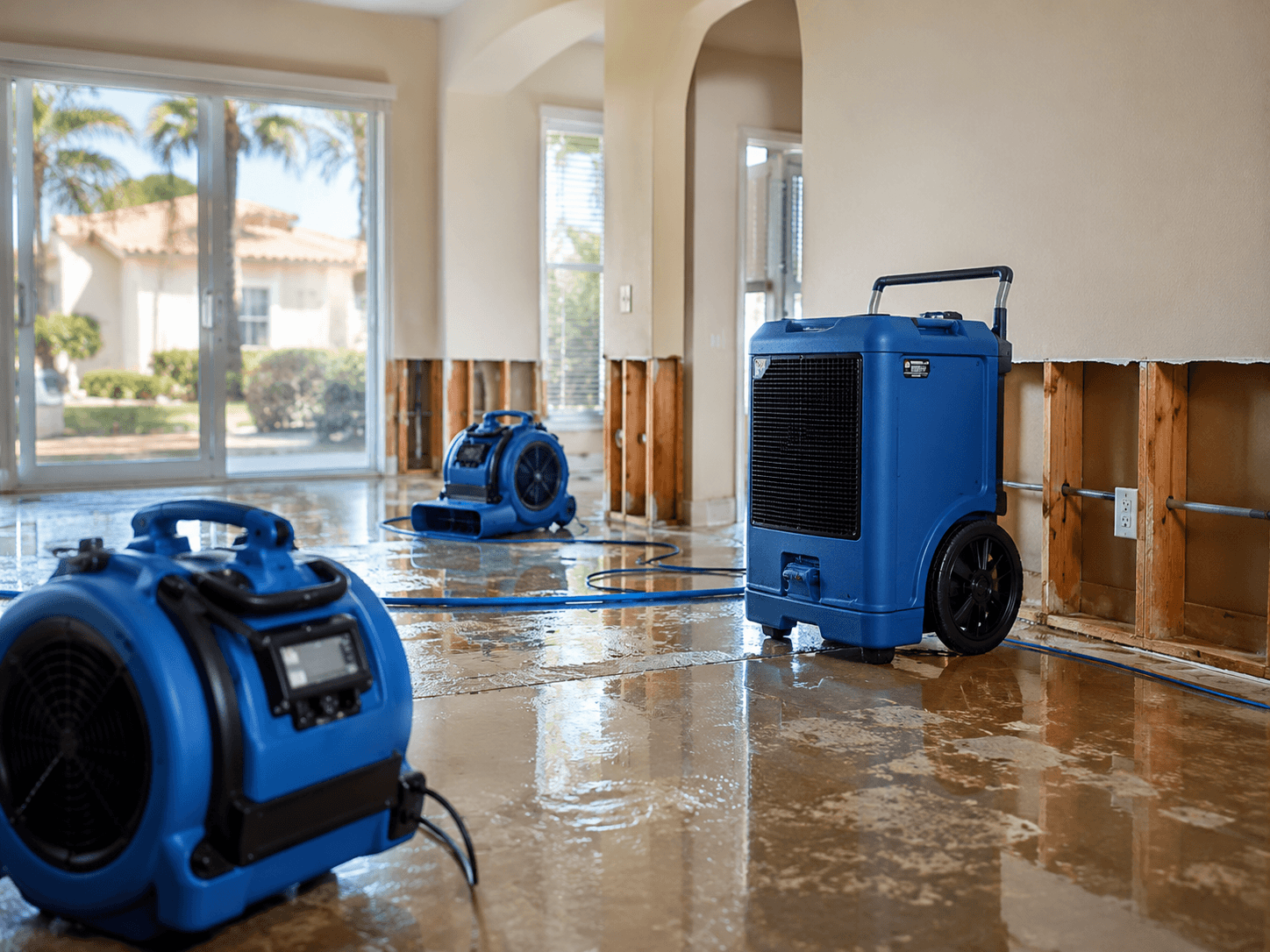
Restoration pros follow the IICRC S500 standard for water damage. It sorts water into three categories by how contaminated it is. Sewage is Category 3 - grossly contaminated water that may carry pathogens. That is the highest category, and it changes how the cleanup is done. Category 3 jobs call for protective gear, containment so contamination does not spread, removal of affected porous materials, and cleaning and disinfecting what stays.
What has to be thrown out
The general rule from public health agencies is simple: porous things that soaked up sewage usually cannot be made safe. Under the IICRC S500, carpet and pad affected by Category 3 water are generally removed and discarded rather than cleaned. Before anything goes, photograph it and make a list for your insurance claim.
- Carpet, carpet pad, and most rugs
- Drywall and paneling that got wet - usually cut out a bit above the water line
- Insulation that got wet
- Mattresses, pillows, and upholstered furniture
- Stuffed animals and soft toys
- Cardboard, books, and paper
- Food, medicine, and cosmetics that were exposed
- Unfinished wood items
Hard, non-porous surfaces like tile, metal, glass, and sealed countertops can usually be cleaned and disinfected. Some clothing can be saved with hot-water laundering. If you are not sure, set it aside and ask.
When to call a professional
A small backup that stays on a tile floor might be something you can handle with the right gear. Call a sewage backup cleanup company when:
- Sewage reached carpet, drywall, cabinets, or the ductwork
- It sat in a finished living space for more than about a day
- The area is larger than you can safely handle
- Anyone in the home is very young, elderly, pregnant, or has a weak immune system
Wet building materials also need to be dried fast. Mold can begin to grow within 24 to 48 hours - see how fast does mold grow.
Does insurance cover a sewage backup?
Often, not unless you planned ahead. Standard homeowners policies usually exclude water that backs up through sewers or drains. Coverage typically comes from a water backup endorsement (sometimes called sewer backup coverage) added to your policy, and it often has its own limit. Call your agent to find out what you have. Our guide to homeowners insurance and water damage in California explains more.
If the backup came from a blocked city main, you may be able to file a claim with the city. California sets strict deadlines for claims against public agencies - as short as six months for some types of damage - so ask the city for its claim form right away. The California Department of Insurance consumer hotline is 1-800-927-4357 if you have questions about your policy.
How to prevent the next backup
- Keep grease out of drains. Fats, oils, and grease harden in pipes and build up over time. Let grease cool and put it in the trash.
- Flush only toilet paper. Wipes - even ones labeled flushable - do not break down like toilet paper and are a common cause of blockages.
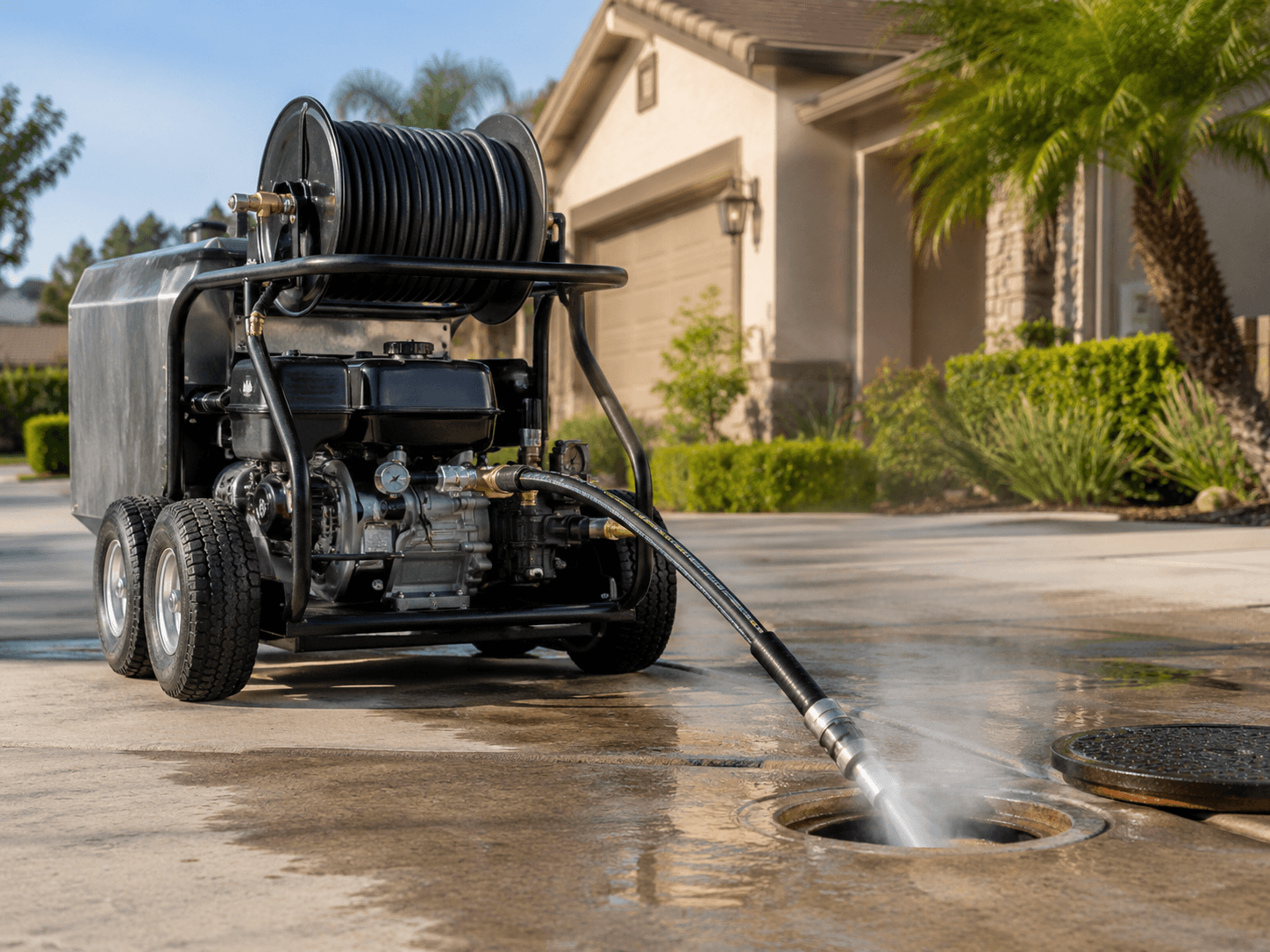
- Watch for tree roots. Roots grow into cracks and joints in older sewer lines. Regular drain cleaning and hydro jetting can clear them, and a camera inspection shows whether the pipe needs repair.
- Ask about a backwater valve. It lets sewage flow out but not back in. The California Plumbing Code requires one when fixtures sit lower than the next upstream manhole cover of the sewer.
- Keep rain out of the sewer. Gutters and downspouts should not connect to your sewer line.
- Do not ignore warning signs. Slow drains, gurgling toilets, and sewer smells often show up before a full backup.
How we help
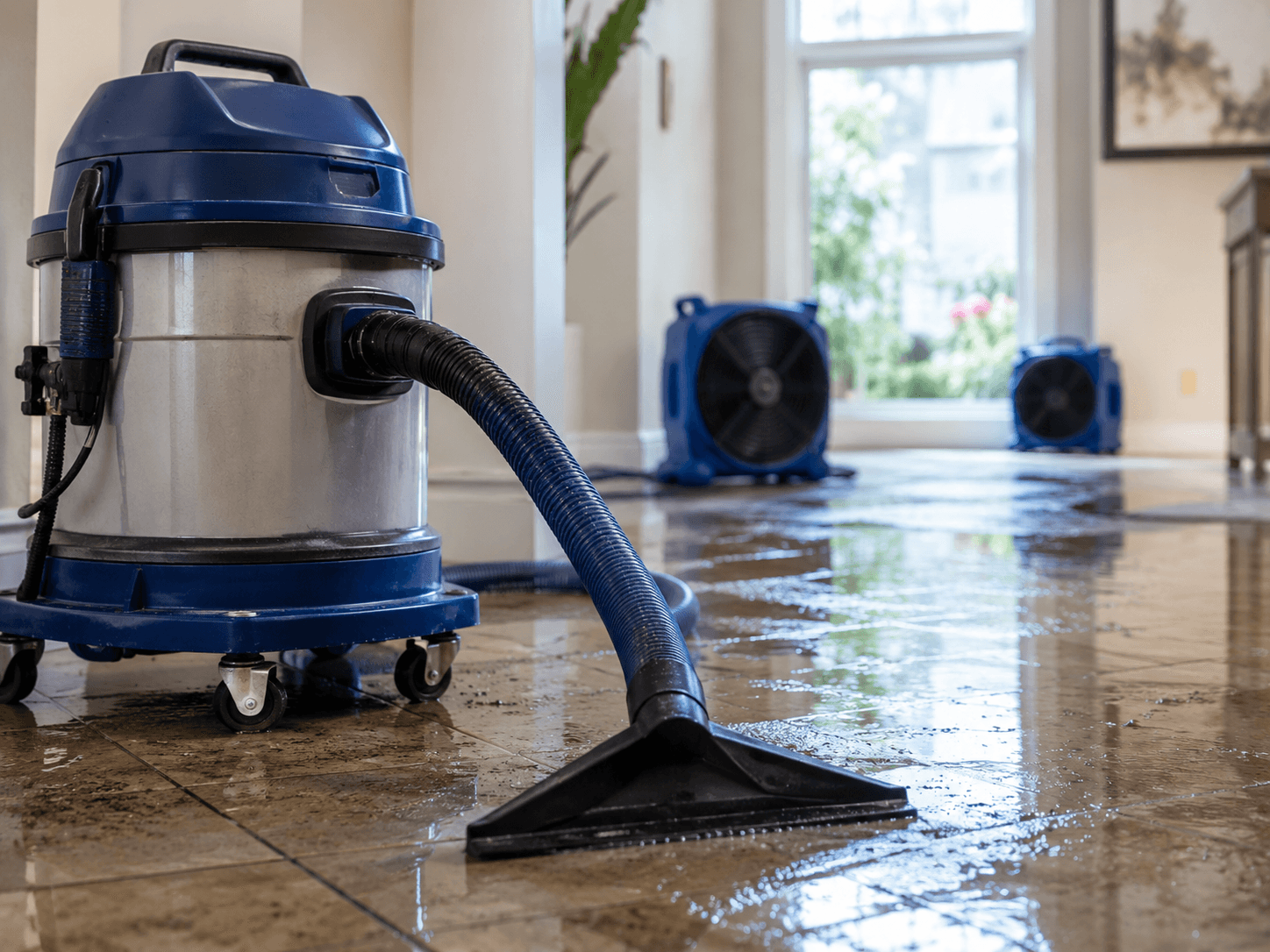
First Call Plumbing & Restoration handles both sides of a sewage backup. Our plumbers clear the line and use sewer cameras to find the cause. Our IICRC-certified restoration techs remove contaminated materials, clean and disinfect, and dry your home. We document the damage and can work with your adjuster, though we cannot promise a claim will be approved - coverage is between you and your insurer.
A sewage backup cannot wait until Monday. We are available 24/7, and emergency arrival is typically 1-2 hours depending on location and call volume. Call (909) 751-2323 or contact us to get the line cleared and the cleanup started.
Frequently asked questions
Is it safe to stay in my house after a sewage backup?+
It depends on how much sewage there is and where it went. Keep everyone, especially children and pets, out of the affected area. If sewage got into living areas, carpet, or the air ducts, or if you have no working toilet, it may be safer to stay elsewhere until cleanup is done.
Can I clean up sewage myself?+
A very small backup on a hard floor can be cleaned with gloves, boots, eye protection, detergent, and a disinfectant. If sewage soaked into carpet, drywall, or ductwork, or covers a large area, call a professional. Porous materials touched by sewage usually have to be removed.
Who is responsible for a sewer backup, me or the city?+
It depends on where the blockage is. Homeowners are usually responsible for the drain lines in the house and the lateral on their property. The city or sewer district handles the public main. Rules for the part under the street vary by city, so check with yours.
Does homeowners insurance cover sewage backup?+
Standard homeowners policies usually exclude sewer and drain backups. Coverage typically requires a water backup endorsement, which often has its own limit. Check your policy or call your agent to see if you have it.
How do I stop sewage from backing up into my house?+
Keep grease and wipes out of your drains, have roots cleared from older sewer lines, and get a camera inspection if backups keep happening. A backwater valve can help keep sewage from flowing back into the house, and it is required by code in some low-lying setups.
This guide is general information, not a quote or professional advice for your specific home or insurance policy. Prices are approximate - we give an up-front quote before any work begins.